A quick answer
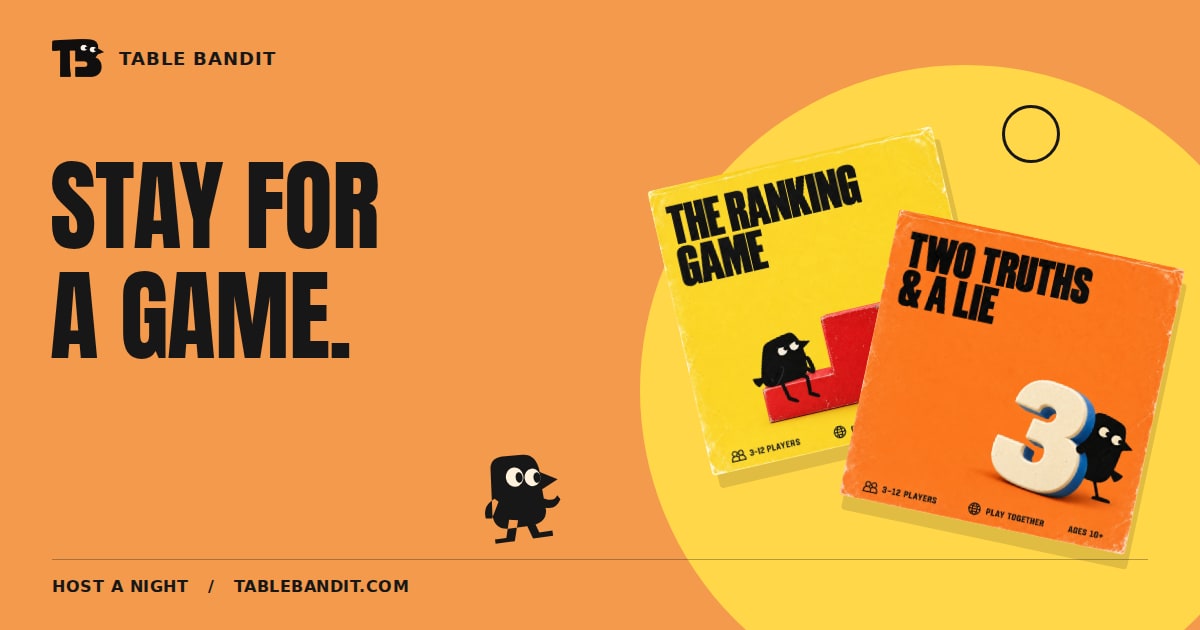
Try 20 Questions for a shared puzzle, The Ranking Game for a seated debate, or Two Truths & A Lie for light personal stories. Start after dinner and keep private answers off the shared screen.
Choose your starting point
| Game | Players | What you do |
|---|---|---|
| 20 Questions | 2–12 | One player knows the secret thing. Everyone else has twenty yes-or-no questions. |
| The Ranking Game | 2–12 | Put five things in order and convince the group you are right. |
| Two Truths & A Lie | 3–12 | Share three statements about yourself. Only one is a lie. |
What it looks like
For a practice ranking, compare five rainy-day activities: baking, films, reading, board games and a walk. Each person explains one choice. Agree that “best” means “best for a relaxed Sunday” before debating the order.
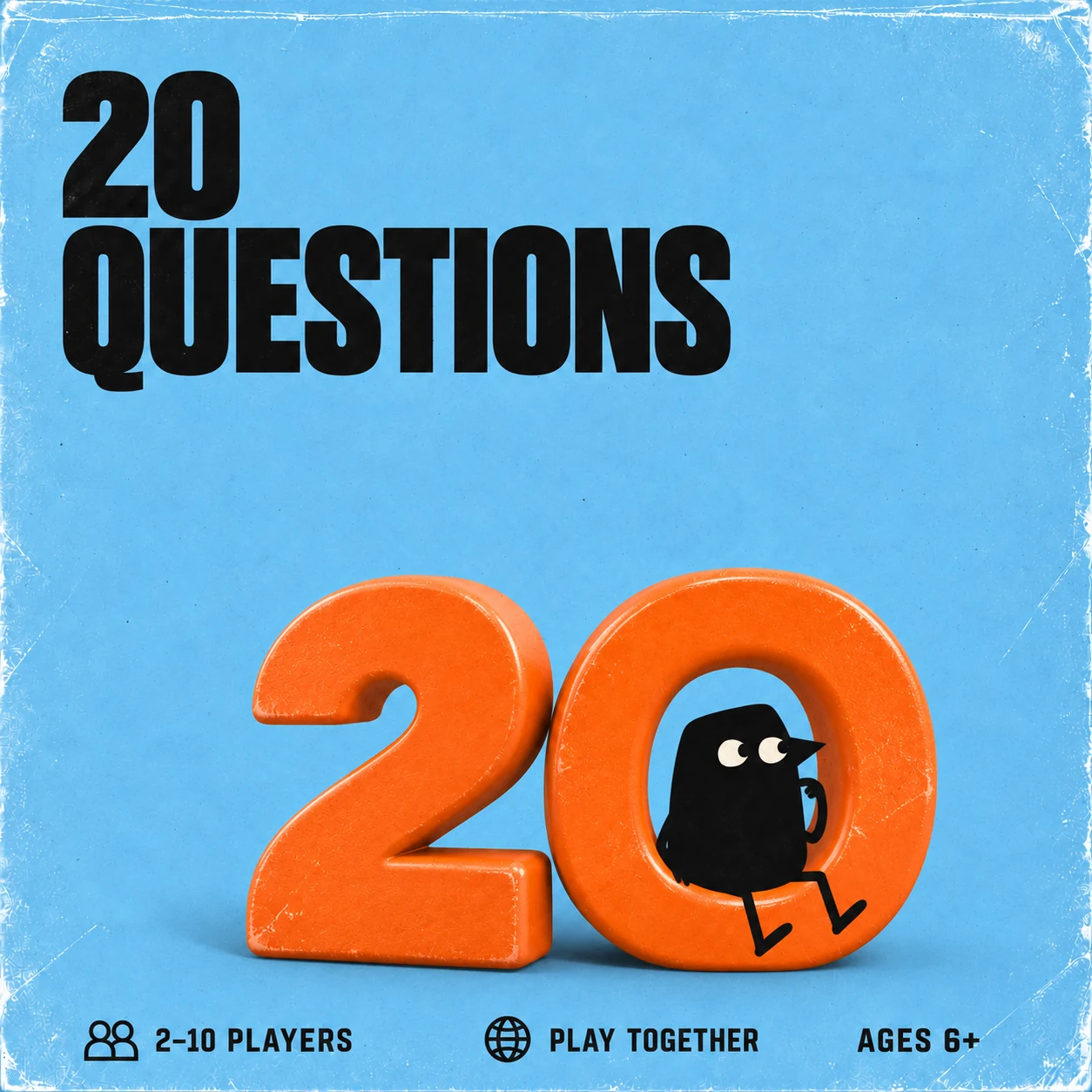
20 Questions
2–12 players · Private answer
20 Questions works while everyone stays seated. Let one person hold the secret answer and ask short yes-or-no questions around the table. It is a useful opening when guests do not know each other well because the puzzle, rather than anyone’s personal life, supplies the conversation.
Rules, examples & play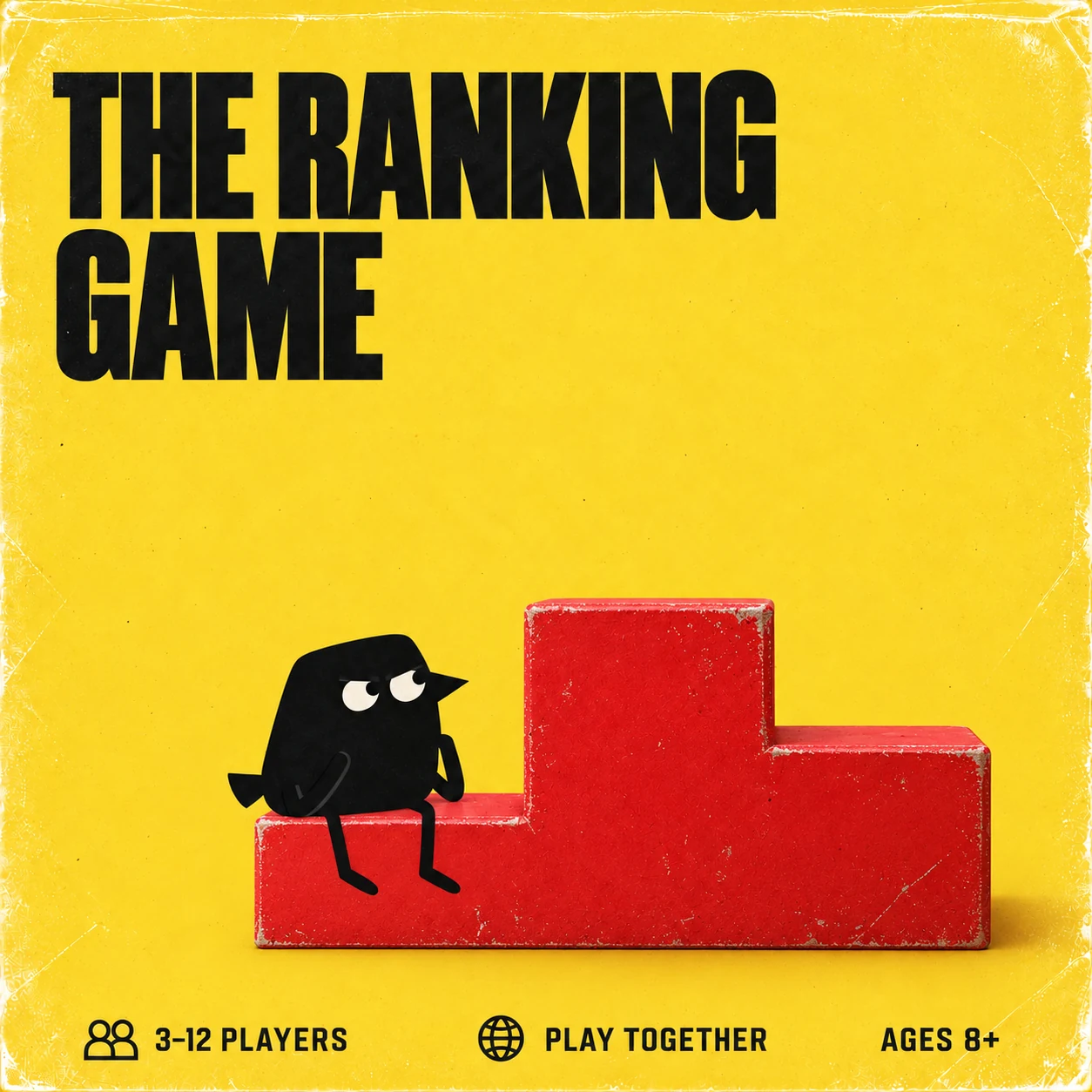
The Ranking Game
2–12 players · Talk together
The Ranking Game asks players to put five things in order and defend the result. Use the disagreement as the entertainment. Let each person finish their reason before another person responds, and agree on what the ranking means. “Best for a rainy Sunday” produces a more focused discussion than simply “best”.
Rules, examples & play
Two Truths & A Lie
3–12 players · Private answers
Two Truths & A Lie works when guests are comfortable sharing small details. Each player provides three statements and marks the invented one. Everyday claims are enough: a hobby, a place visited or an unusual food tried. Keep sensitive topics out of the first round and let players choose their own level of disclosure.
Rules, examples & playStart after plates are cleared
A natural pause after dinner is easier than trying to explain rules while people are serving food. Choose one short game and explain a single example. Keep devices away from spills and make sure everyone can hear the person whose turn it is. Guests should be able to stay comfortably seated.
Use phones for private information, then look up
Each guest can join the same room from a phone and check a private card when needed. Once the prompt is understood, return attention to the table. One laptop is another option if you can keep secret answers hidden; do not display an answer that the group is supposed to guess.
Have a plan for interruptions
If somebody leaves the table, pause between turns instead of revealing their answer for them. Finish a round before changing the roster or restarting with everyone. If the conversation becomes more interesting than the game, leave the scores alone and let it continue.
Before you start
- Clear plates before explaining.
- Choose ordinary topics for a mixed group.
- Finish the current turn before changing players.
One more thing
Do these games need alcohol or physical challenges?
No. The suggested games use questions, rankings and spoken stories. None of them requires drinking, standing up or completing a physical dare.
Player counts and rules refer to the Table Bandit versions linked here. Practice examples are illustrative and may differ from generated prompts. For remote play, use a separate voice or video call.
Find your game